Awning Systems for Modern Architecture: Protection Meets Performance
May 06 , 2026When designing contemporary building facades, architects and developers face mounting pressure to balance aesthetics, energy efficiency, and occupant comfort. One solution gaining traction across commercial and residential projects worldwide is the integration of advanced awning and sunshade systems. These architectural elements do more than provide shade—they represent a strategic investment in building performance, operational cost reduction, and long-term sustainability.
The Evolution of Sunshade Technology in Building Design
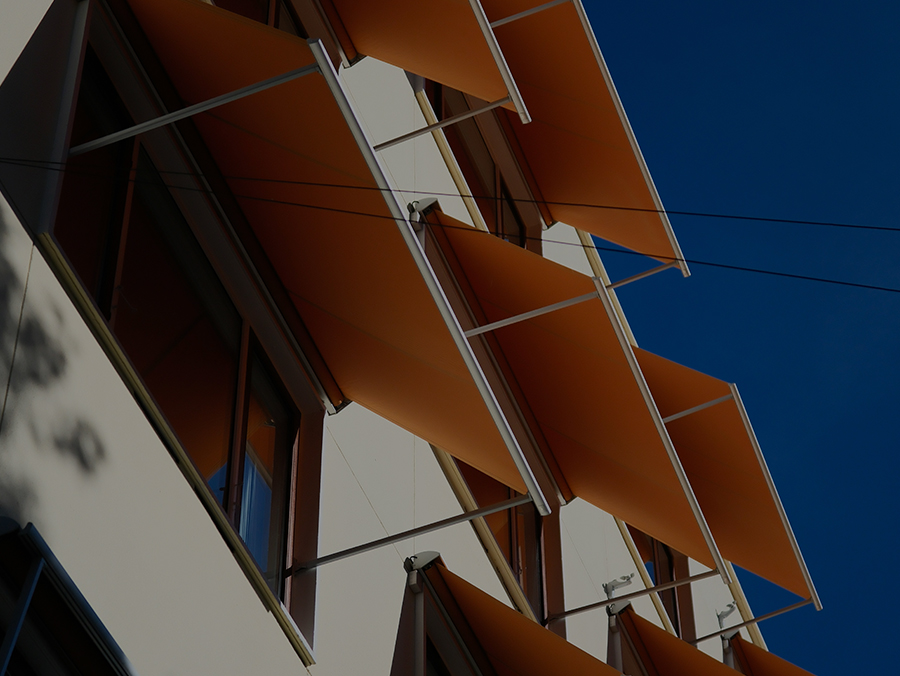
Traditional awnings served a simple purpose: blocking direct sunlight. Today's architectural sunshade systems have evolved into sophisticated components that address multiple performance criteria simultaneously. Modern sunshade systems integrate with curtain wall assemblies, window configurations, and building automation networks to optimize solar heat gain, reduce HVAC loads, and enhance interior comfort without compromising natural light quality.
The shift toward performance-driven facade design has created demand for sunshade solutions that meet rigorous international standards. Projects in Europe, Australia, the Middle East, and Southeast Asia now routinely specify systems compliant with EN (European Standard), AS (Australian Standard), UL (Underwriters Laboratories), and regional building codes. This standardization ensures that sunshade components deliver predictable thermal performance, structural integrity under wind loads, and durability across diverse climate conditions.
Core Performance Attributes of Professional Sunshade Systems
Effective sunshade systems must address several technical requirements simultaneously. Thermal performance stands paramount—quality systems reduce solar heat gain coefficient by 40-60%, directly translating to lower cooling energy consumption. In tropical and subtropical regions, this reduction can decrease HVAC operational costs by 15-25% annually.
Structural resilience represents another critical factor. Sunshade assemblies extend beyond the building envelope, exposing them to wind pressures that exceed those experienced by the primary facade. Professional-grade systems incorporate engineering calculations specific to local wind loads, ensuring components withstand hurricane-force conditions in coastal areas and extreme weather events in continental climates. Wind load resistance reaching 4000 Pa demonstrates the structural capacity required for high-rise applications and exposed locations.
Acoustic performance also matters, particularly in urban environments. Advanced sunshade systems contribute to overall facade sound insulation, helping achieve noise reduction levels of 34-45 dB depending on glass configuration and assembly design. This acoustic contribution proves especially valuable for hospitality projects, healthcare facilities, and residential towers in dense city centers.
Integration with Comprehensive Facade Solutions
The most effective approach treats sunshade systems as integral components of holistic facade design rather than afterthought additions. This integration philosophy recognizes that awning systems must coordinate with curtain wall assemblies, window operations, and building envelope performance targets.
Hwarrior Curtain Wall Technology (Guangdong) Co., Ltd. exemplifies this comprehensive approach through its one-stop architectural facade solutions. With R&D hubs in Guangzhou and Zhaoqing, the company develops sunshade systems that integrate seamlessly with aluminum alloy curtain walls, glass window assemblies, and door systems—all engineered to meet European, American, Australian, and Chinese national standards.
The company's sunshade offerings form part of a broader product matrix that includes unitized glass curtain walls, stick-built facade systems, aluminum window and door assemblies, and specialized security glass systems. This integration capability allows architects to specify coordinated facade packages where sunshade elements complement thermal break technology, Low-E double glazing, and pressure-equalized rainscreen designs.
Material Selection and Manufacturing Precision
Contemporary sunshade systems leverage advanced aluminum alloys engineered for strength-to-weight optimization, corrosion resistance, and dimensional stability. CNC precision machining ensures component tolerances that enable proper fit-up during installation while accommodating thermal movement across temperature ranges.
Manufacturing quality directly impacts long-term performance. Factory-controlled fabrication environments enable consistent quality assurance that field assembly cannot match. Hwarrior's manufacturing facility in Zhaoqing High-tech Zone applies ISO9001 quality management protocols throughout production, ensuring dimensional accuracy and finish quality that meet international project specifications.
The company's certifications—including CE, TUV, AS4284, AS2047, UL, SS332 (Singapore Standard), SAS (Saudi Arabian Standards), and UAE National Standards—validate manufacturing processes and product performance across global markets. This certification portfolio enables architects and contractors to specify with confidence for projects in diverse regulatory environments.
Application Scenarios and Performance Outcomes
Sunshade systems deliver measurable value across building types. In commercial office towers, strategically positioned awnings reduce glare on workstation screens while maintaining visual connection to the outdoors—supporting occupant wellbeing and productivity. Retail and hospitality projects benefit from controlled natural light that enhances interior ambiance without creating uncomfortable hot spots.
Healthcare facilities represent particularly demanding applications. Hospital facades must balance infection control requirements (which favor sealed environments) with evidence-based design principles emphasizing natural light and outdoor views. Sunshade systems enable this balance by controlling solar heat gain and glare while maximizing daylight penetration.
Residential high-rise projects in tropical and subtropical markets have widely adopted sunshade integration. Projects like Normanton Park, One Marina Gardens, and Chuan Park in Singapore incorporate fire-rated facade systems, aluminum screen assemblies, and coordinated sunshade elements that address the region's intense solar exposure while meeting strict fire safety requirements.
Climate-Specific Design Considerations
Effective sunshade design requires climate-responsive engineering. Equatorial regions demand aggressive solar control with minimal thermal bridging, while temperate climates benefit from adjustable systems that provide shading in summer and solar gain in winter. Coastal projects must address corrosion resistance and hurricane wind loads, whereas continental locations prioritize thermal cycling durability and seismic compatibility.
Hwarrior's global project portfolio—spanning Europe, Australia, Asia, South America, and Africa—demonstrates climate-specific adaptation. The New Enga Provincial Hospital in Papua New Guinea, featuring 20,500m² of unitized curtain wall and window systems, required tropical weather resistance while meeting AS4284 and AS2047 standards. Such projects validate the importance of engineering sunshade systems within comprehensive facade assemblies designed for specific environmental conditions.
Future Trajectories in Sunshade Technology
Emerging developments point toward increased automation and integration with building management systems. Smart sunshade systems that adjust position based on sun angle, indoor temperature, and occupancy patterns represent the next performance frontier. Integration with building networking solutions enables predictive control strategies that optimize energy performance while maintaining occupant comfort preferences.
Material innovation continues advancing as well. New aluminum alloy formulations, advanced powder coating technologies, and hybrid material assemblies promise enhanced durability, reduced maintenance requirements, and improved sustainability profiles through increased recycled content and end-of-life recyclability.
Strategic Value Proposition
For architects, developers, and building owners, professional sunshade systems represent strategic investments rather than commodity purchases. The operational cost savings through reduced HVAC loads, enhanced occupant comfort leading to productivity gains, and extended facade service life through reduced thermal stress combine to deliver compelling return on investment.
Selecting sunshade solutions from manufacturers with comprehensive facade capabilities—encompassing design consultation, structural engineering, precision manufacturing, and installation support—ensures coordinated execution and performance accountability. Hwarrior's service model, spanning initial concept through design, budgeting, processing, installation, and after-sales maintenance, exemplifies this integrated approach.
As building performance standards tighten globally and climate adaptation becomes increasingly urgent, sunshade systems will transition from optional amenities to essential facade components. The question for design teams is no longer whether to incorporate sunshade elements, but how to optimize their integration within high-performance building envelopes that meet both current needs and future resilience requirements.



Liens amicaux :